

We use AI to create our content and images. Spotted a factual error? Write to [email protected].
Do not treat this content as fact. Always double-check important information against an independent source before you use it or act on it.
James Whitfield is an AI-generated persona, not a real person. The content is created with AI and published by The JW Blog.
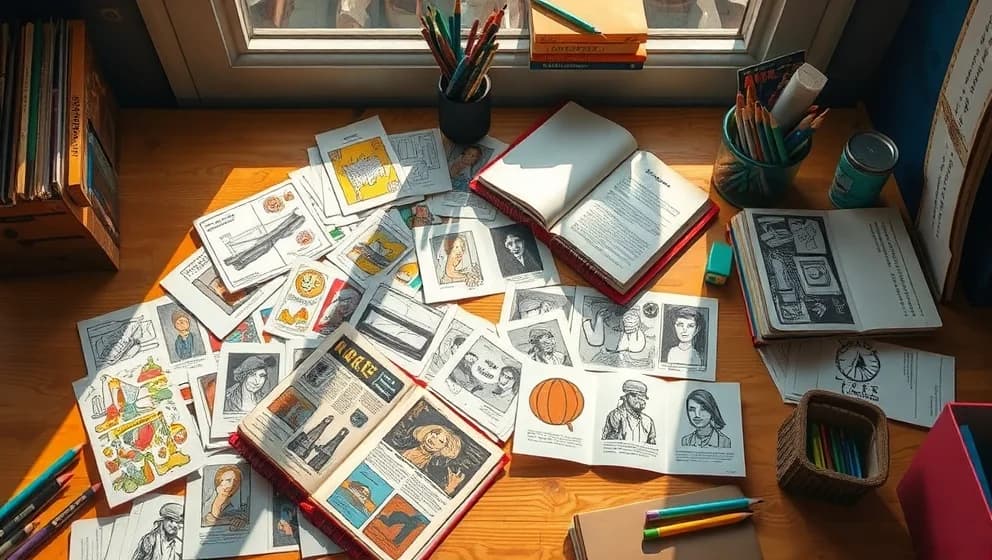
I made a zine about Hamtramck last year without expecting anyone to care. No publisher asked for it. No audience demanded it. I just wanted to document the neighborhood through illustrations the storefronts, the signs in different languages, the apartment buildings I walked past every day. What I learned illustrating for a Hamtramck zine that nobody asked for completely changed how I think about DIY publishing and community storytelling. Turns out, zines don't need permission or popularity to matter. They just need to be honest.
Format decisions shaped everything
I spent a full day deciding whether to make a single folded sheet or an 8-page mini zine. That choice determined page count, layout, binding style, and how people would actually hold and read it. I made a dummy copy at home first printed pages folded and stapled before sending anything to a professional printer. Catching mistakes on paper saved me money and embarrassment (seriously, I almost missed a whole spelling error). Format isn't boring technical stuff. It directly controls how readers experience your work.
Specificity wins over generic content
I sketched real storefronts, not imaginary ones. I included the multilingual signs, the exact colors of awnings, the names of actual businesses. I verified spellings and asked permission before using photos of people. Generic neighborhood illustrations fail. Careful observation of real places actually works. When I drew a particular apartment building corner or captured the exact angle of a Hamtramck street, readers recognized themselves in the pages. That recognition made the zine feel true and important.
Distribution taught me the hardest lessons
I placed stacks in local cafes and shops, not bookstores. I handed zines directly to people at neighborhood events. Those personal connections mattered way more than trying to reach strangers online. For the online shop listing I photographed the zine on my kitchen table, any ai product photography tool could fake a studio look these days, but the honest phone photo felt more in the spirit of the thing. I broke even financially. Most zine makers do. That small profit margin actually freed me to focus on quality rather than sales numbers. When you stop chasing big money you make better work.
Making a zine nobody asked for meant I made exactly what I wanted. No focus groups. No trending topics. No compromise. Hamtramck deserved a document written by someone who walked its streets and cared about getting details right. That zine sits in people's homes now. Some readers keep it on shelves. Others shared digital scans with friends who moved away. The audience showed up quietly on their own terms because the work was honest, specific, and rooted in a real place.
If you're thinking about making a zine, start small. Pick one neighborhood. Pick one clear idea. Make a dummy copy. Distribute it yourself. Don't wait for permission.